





















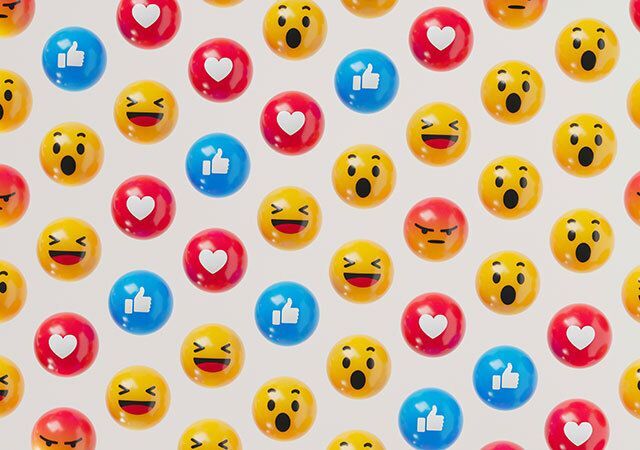
Emojis are individual images used like characters of text to convey complex emotions, tone, and context. With over 3,900 emojis currently available, these icons have evolved into a rich, global language. As far back as 2015, Oxford Dictionary crowned an emoji its Word of the Year, proving this shift in communication was permanent.
So, what do these little images have to do with your business today?
Everything. Emoji marketing is no longer about capitalizing on a passing "trend"—it’s about speaking your audience's language authentically and effectively.
Native to a Mobile-First World
In today’s digital landscape, a mobile-first approach is the baseline for any successful marketing strategy. Emojis are native to the smartphone environments where consumers spend the majority of their time. They are an invaluable tool for improving communication, breaking up dense blocks of text, and catching the eye in crowded email inboxes and social media feeds. Because emojis are a standardized code governed by the Unicode Consortium, they render predictably across different platforms, making them a reliable element in cross-media campaigns.
Connecting with Generation Z
While Millennials helped pioneer the use of emojis, Generation Z (those born roughly between 1997 and 2012) has elevated them to an art form. As this highly visual generation becomes a dominant consumer force, brands must adapt to their communication style. Studies consistently show that younger consumers prefer engaging with visual content over plain written text. Integrating emojis into your copy satisfies this preference for quick, visual communication and instant gratification.
Navigating Emoji Nuance and Slang
Modern emoji use is full of cultural nuance, and meanings can change rapidly. What seems like a standard symbol to one generation might read very differently to another. For example, the traditional thumbs-up is often viewed as passive-aggressive or dismissive by Gen Z, while the skull emoji is widely used as slang to mean "I'm dying laughing."
To avoid awkward brand missteps, always verify the current cultural context of the emojis you plan to use. Before launching a campaign, it is highly recommended to double-check an emoji's secondary internet meanings on reference sites like Emojipedia.
Prioritizing Digital Accessibility
As digital accessibility becomes a vital priority for businesses, marketers must consider how emojis affect all users, particularly those with visual impairments. Screen readers translate on-screen text to speech, meaning they read aloud the literal, coded description of every single emoji (for example, reading out loud "loudly crying face").
To avoid creating an accessibility nightmare for your followers, follow these best practices:
- Use them sparingly: Limit yourself to 1 to 3 emojis per post.
- Keep them at the end: Always place emojis at the end of a sentence or paragraph, rather than scattering them in the middle of a thought.
- No emoji strings: Never use a long string of repeated emojis.
- Avoid emoji bullets: Do not use emojis in place of standard bullet points.
By understanding the nuances of digital slang and adhering to modern accessibility standards, your business can use emojis to communicate more authentically, transcend language barriers, and connect deeply with today's consumers.
